

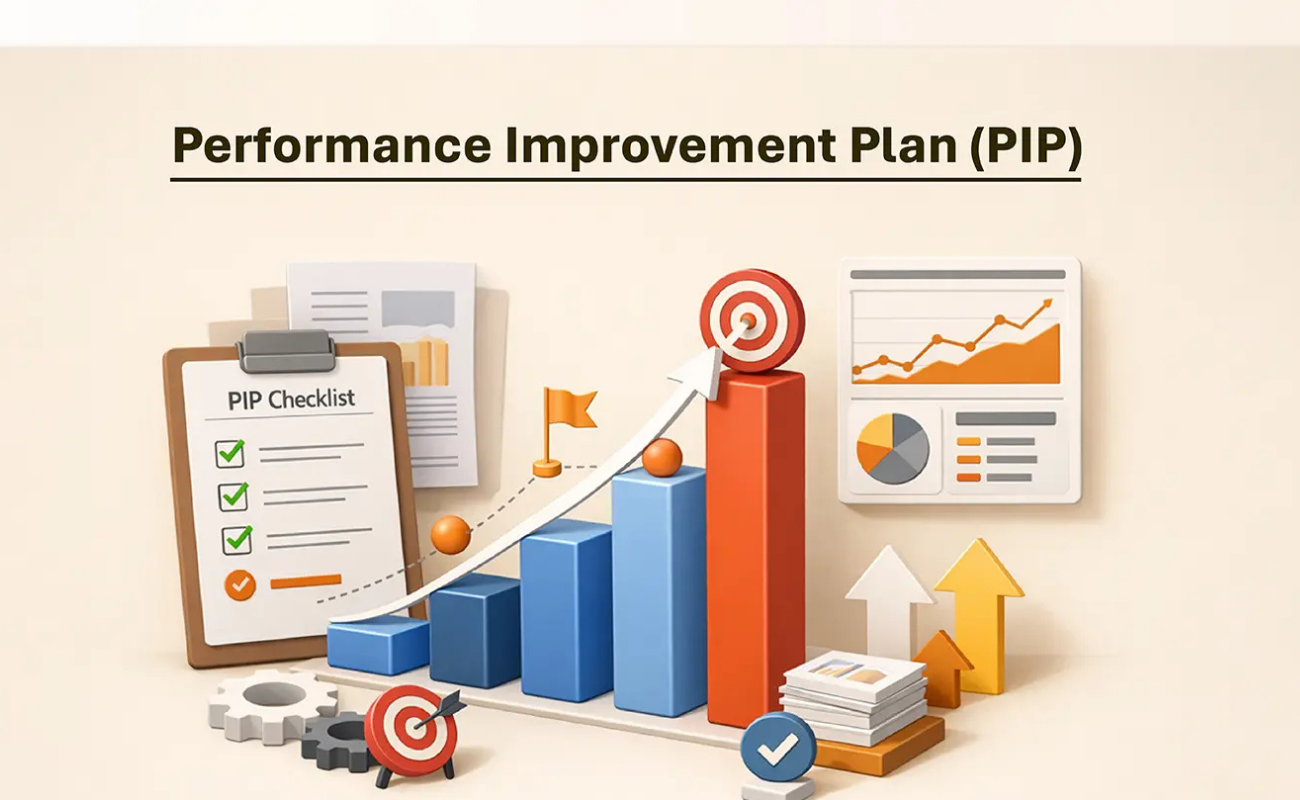
PIP Full Form is a Performance Improvement Plan. This is a formal HR document to assist employees in the workplace’s performance challenge. Furthermore, it provides a clear and defined career trajectory to success. Moreover, PIPs are also used as cooperative instruments for managers and their staff.
In addition, these plans tackle the specific gaps in performance effectively. They therefore offer unambiguous guidelines for achievement. Hence it is essential to know and understand the meaning of PIPs for both employees and HR specialists.
What is a Performance Improvement Plan (PIP)?
The Performance Improvement Plan is a written HR tool that precisely identifies an employee’s areas of need. In addition, it provides measurable improvement goals systemically.
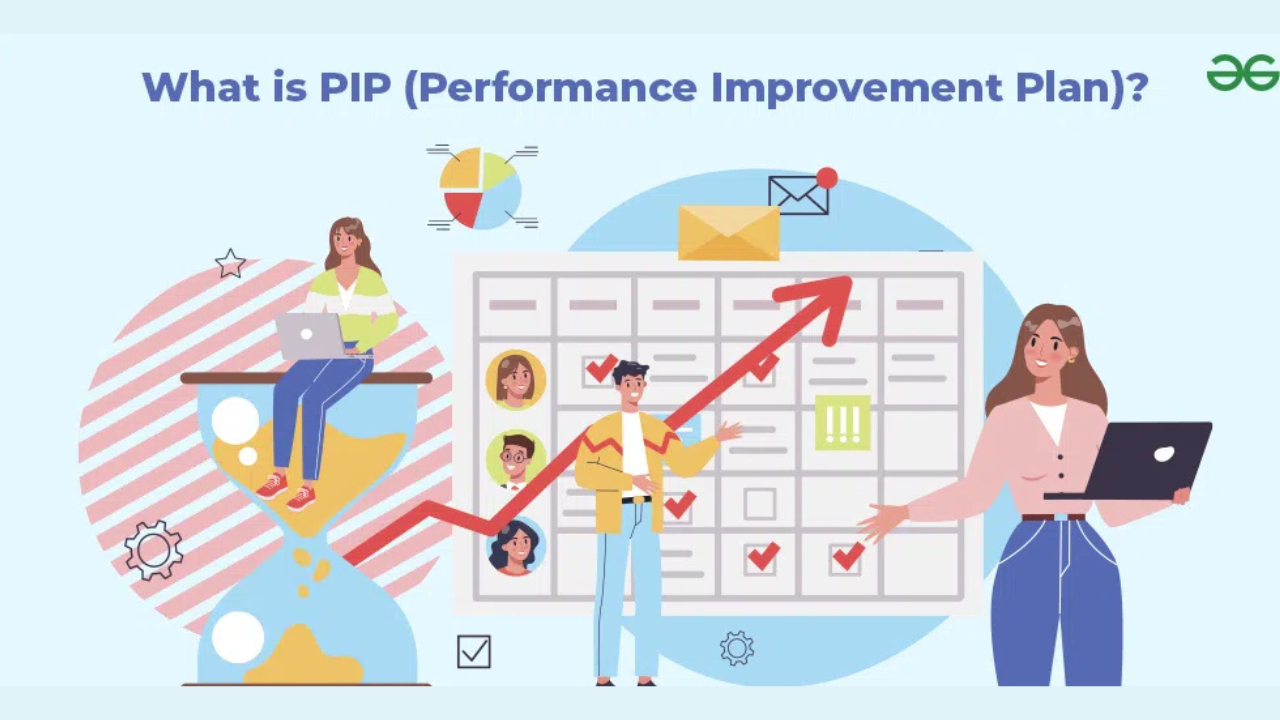
Key components include:
- Set clear expectations and standards for performance
- Specific objectives for improvement and timeframe
- The resources and supports needed to perform the work.
- Ongoing monitoring and feedback process
- Consequences for non-compliance
Further yet, PIPs are a way to build up employees, not punish them. As a result, they develop a sense of real professional development and career opportunities.
When Is a PIP Used?
PIPs are usually implemented when informal discussions or conversations have proven unsuccessful. In addition, they are able to solve the same type of performance problems that repeatedly occur even after warnings have been given.
Common triggers include:
- Missing deadlines repeatedly
- Not meeting the quality standards on a regular basis
- Having difficulty performing basic duties at work.Trouble with basic work tasks.
- Having received several warnings for poor performance in the past
- Displaying work-related behaviour issues
However, PIPs must be well considered before being implemented. So, HR experts make decisions on a case-by-case basis to proceed.
Read More: ASF Full Form in Chat: Meaning, Uses and Examples
Key Components Of a PIP
PIPs can be used in a systematic and fair way to address different performance issues. Besides, they focus on specific areas which require improvement. In addition these plans address the quantitative and qualitative performance problems.
Generally, the following performance areas will be included:
- Productivity Issues – Low output levels & efficiency
- Quality Problems – Poor performance of work product
- Deadline Management – constantly late, missed deadlines
- Skill Gaps – Technical skills in need of improvement.
- Communication Problems – Communication problems in the workplace involving other workers
PIP Implementation Process
Step 1: Documentation and Assessment
Firstly, managers make detailed notes on all performance problems. In addition, they collect evidence to support their claims. In addition, HR double checks all to ensure that there are no mistakes.
Step 2: Goal Setting Using SMART Framework
Next, objectives are agreed upon collaboratively for the improvement of the situation. The SMART model helps to make goals:
- Specific — Clear and specific expectations
- Measurable — Quantifiable success indicators
- Achievable — The goals are realistic and the employee is able to do them.
- Relevant—Significantly connected to the job performance.
- Time-oriented — Clear goals and objectives, with designated deadlines/milestones
Step 3: Support and Resources
There are sufficient support systems throughout. Also, programs for training and mentoring are systematically planned.
Step 4: Monitoring and Review
Progress meetings are held throughout the length of the PIP. In addition, weekly or biweekly feedback sessions are carried out. In addition, modifications are made as needed.
PIP Duration and Timeline
Although, the length of time for PIPs varies, typically 30 to 90 days depending on the improvement desired.
| Duration | Purpose |
| 30 Days | Minor performance adjustments |
| 60 Days | Moderate skill development |
| 90 Days | Comprehensive improvement programs |
| Extended | Complex behavioral changes |
Common PIP Outcomes
Not all PIPs will have the same conclusion. The results are dependent on the progress and dedication of the employee.
Possible outcomes include:
- Successful Completion — Employee meets all goals and continues employment
- Extension — more time given to make further improvements.
- Role Modification — Making changes to a role.
- Move — Employee changes jobs with another employee.
The final option in case all the other options fail is the termination.
Final Word
This knowledge of the full form of PIP, i.e., “Performance Improvement Plan” is beneficial for both employees and HR. Further, it offers planned improvement opportunities for all concerned. In addition, a positive workplace culture with growth is established when it is successful.
Keep in mind that PIPs are meant as bridges to workplace success and not dead ends. Also, they develop clear career growth opportunities. So, the most successful outcome is achieved when one takes a positive and proactive approach to any PIP on a consistent basis.
FAQs
1. What is the meaning of PIP in HR?
PIP full form in HR is Performance Improvement Plan. It is a document that is established to address the standards that are required at work through supporting underperforming employees.
2. Is PIP a consequence of poor performance?
A PIP is not a disciplinary action! It’s all about the development of employees – no punishment.
3. Is there a risk of termination when given a PIP?
Yes, if you have an unsuccessful PIP it is possible that it will be terminated. This does not occur, however, unless all the steps have been taken fairly, and all possibilities have been exhausted.
4. What is the average duration of PIP?
The length of a PIP varies based on the nature and complexity of the performance issues being resolved, and can take 30-90 days.
5. May an employee refuse to take a PIP?
However, in practice it is difficult for an employee to refuse to participate. Failure to comply, however, will result in disciplinary action. Cooperation is all the time a sign of commitment to improvement.
