

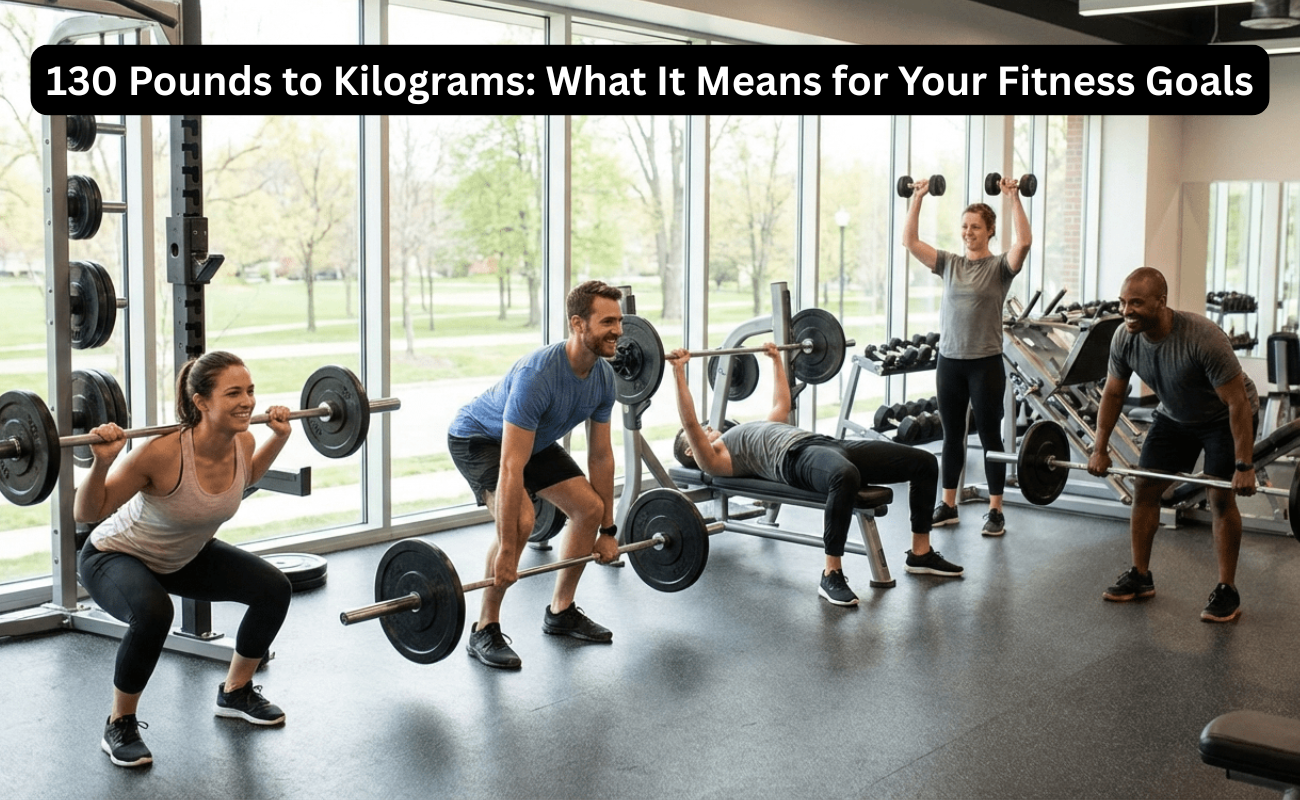
If you’re monitoring your fitness journey and your scale reads 130, you may need to know that number in kilograms, particularly if you’re doing a workout routine or diet program that’s based on metric measurements. The quick answer? There are approximately 59 kilograms in 130 pounds. However, knowledge of the conversion is just a beginning. Knowing the weight will help you determine the goals you have set for your fitness, such as gaining muscle, losing fat, and staying fit.
A Quick Comparison Box
| 125 lbs | 56.70 kg |
| 126 lbs | 57.15 kg |
| 127 lbs | 57.61 kg |
| 128 lbs | 58.06 kg |
| 129 lbs | 58.51 kg |
| 130 lbs ← | 58.97 kg |
| 131 lbs | 59.42 kg |
| 132 lbs | 59.87 kg |
| 133 lbs | 60.33 kg |
| 134 lbs | 60.78 kg |
| 135 lbs | 61.23 kg |
A Quick Solution: 130 lbs to kg
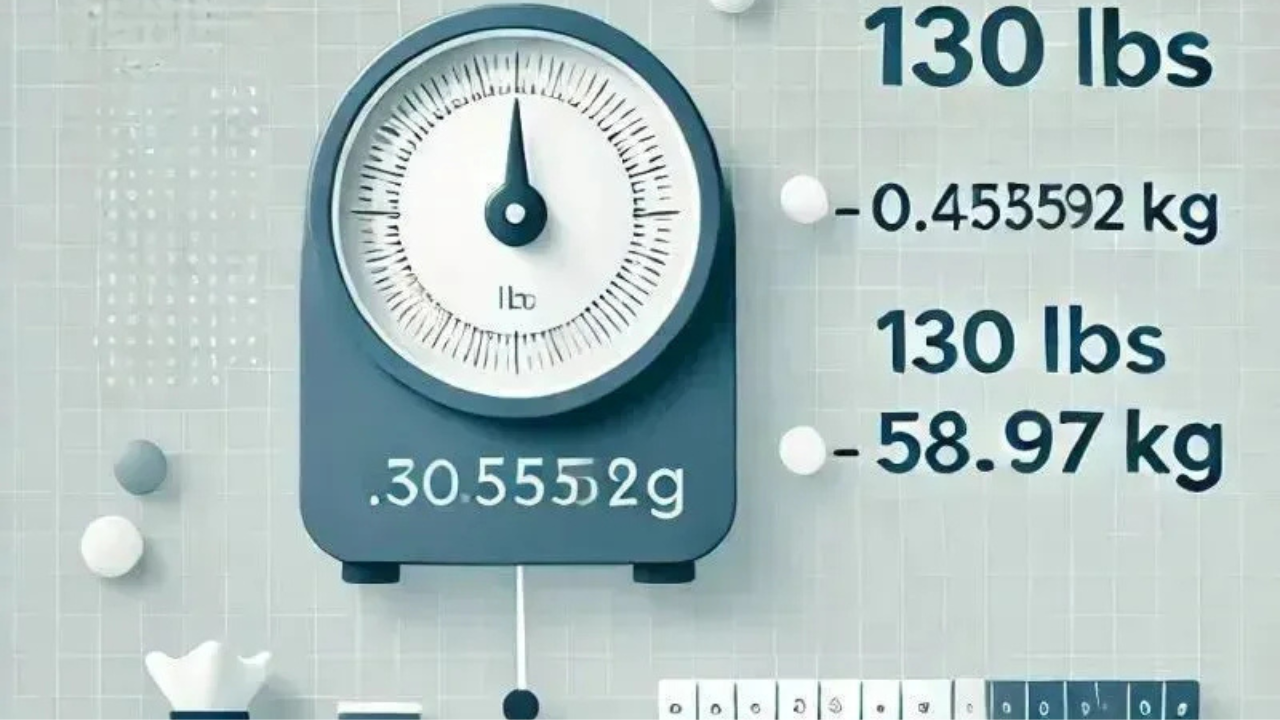
130 pounds comes out to about 59 kilograms. If you want to do the math yourself, just multiply your weight in pounds by 0.453592. Here’s how it works for 130 lbs:
130 × 0.453592 = 58.97 kg
Or if you want a rough number in your head, divide by 2.2:
130 ÷ 2.2 ≈ 59.1 kg
Either way, you’re looking at roughly 59 kg. That’s the number you’ll see on most international scales, gym equipment outside the US, and fitness apps that use the metric system.
Pounds to Kilograms: Quick Look-Up (120 to 140 lbs)
If you’re around the 130-pound mark, here’s how nearby weights shake out in kilograms so you don’t have to grab a calculator every time.
| Pounds (lbs) | Kilograms (kg) | Stones |
| 120 | 54.43 | 8st 8lb |
| 125 | 56.70 | 8st 13lb |
| 130 | 58.97 | 9st 4lb |
| 130.2 | 59.06 | 9st 4.2lb |
| 130.6 | 59.24 | 9st 4.6lb |
| 130.8 | 59.33 | 9st 4.8lb |
| 135 | 61.24 | 9st 9lb |
| 140 | 63.50 | 10st 0lb |
What Does 130 Pounds Mean for Your BMI?
Your BMI isn’t just about weight—your height matters too. At 130 pounds (about 59 kg), here’s where you’d land depending on how tall you are:
| Height | BMI at 130 lbs | Category |
| 5’0″ (152 cm) | 25.4 | Overweight |
| 5’2″ (157 cm) | 23.8 | Normal |
| 5’4″ (163 cm) | 22.3 | Normal |
| 5’5″ (165 cm) | 21.6 | Normal |
| 5’6″ (168 cm) | 21.0 | Normal |
| 5’8″ (173 cm) | 19.8 | Normal |
| 5’10” (178 cm) | 18.7 | Normal |
| 6’0″ (183 cm) | 17.6 | Underweight |
Know the all BMI Categories: Obese = 30+ | Overweight = 25-29.9 | Normal = 18.5-24.9 | Underweight = below 18.5
How does 59 kg stack up around the world?
It really depends on where you’re standing. Here’s how many adults in different countries weigh roughly the same or less:
| Country | Males at 59 kg (%) | Females at 59 kg (%) |
| United States | ~10% | ~35% |
| Canada | ~10% | ~35% |
| United Kingdom | ~10% | ~35% |
| Australia | ~15% | ~40% |
| Germany | ~15% | ~40% |
| Netherlands | ~5% | ~40% |
| Brazil | ~20% | ~50% |
| Japan | ~50% | ~60% |
| South Korea | ~50% | ~70% |
| China | ~55% | ~70% |
| India | ~60% | ~75% |
| Philippines | ~70% | ~80% |
The Short Version: In places like the US or Europe, 130 pounds is pretty light for most guys and about average for women. In a lot of Asian countries, it’s closer to what you’d expect for men and a bit heavier than what many women weigh.
So “normal” really depends on where you’re looking.
Daily Calorie Needs at 130 lbs (58.97 kg) for Both Men and Women
How many calories you need at 130 pounds really comes down to three things: your age, whether you’re male or female, and how active you are day-to-day:
| Activity Level | Male (30 yrs) | Female (30 yrs) |
| Sedentary (desk job) | 1,800 cal | 1,600 cal |
| Lightly Active (walks 1-3x/week) | 2,050 cal | 1,800 cal |
| Moderately Active (exercise 3-5x/week) | 2,250 cal | 1,950 cal |
| Very Active (intense exercise 6-7x/week) | 2,500 cal | 2,200 cal |
| Athlete (2x daily training) | 2,800 cal | 2,500 cal |
Protein at 130 Pounds:
If you weigh 130 pounds, shoot for about 59 to 94 grams of protein a day. That’s roughly 0.45 to 0.73 grams per pound. Where you land on that range depends on what you’re after—maintenance, muscle gain, or just staying active and healthy.
130 Pounds in Sports: Where It Fits
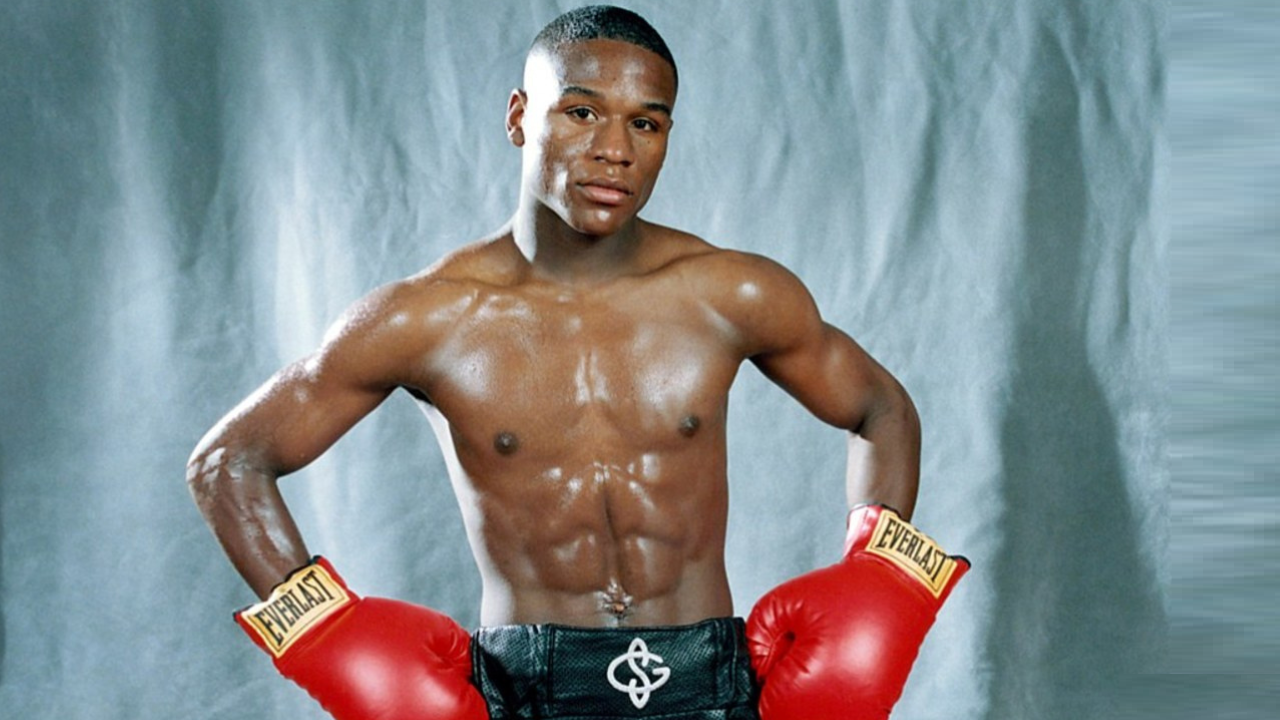
At 130 pounds, you’re right in the middle of some pretty important weight classes across different sports. Here’s where that number shows up:
| Sport | Weight Class | Division Name |
| Boxing | 126-130 lbs | Super Featherweight / Junior Lightweight |
| MMA (UFC) | 126-135 lbs | Bantamweight |
| Wrestling (Freestyle) | 57-61 kg | 61 kg class |
| Judo | 52-57 kg / 57-63 kg | Half-Lightweight / Lightweight |
| Olympic Weightlifting | 55-61 kg | 61 kg class |
| CrossFit | Under 135 lbs | Women’s Open |
Where You’ll Actually Use This Conversion
Travel: Airlines in most countries list baggage limits in kilograms. And if you’re doing a visa medical exam, they’ll ask for your weight in kg too.
Working Out: Gym plates pretty much everywhere outside the US are marked in kg. At 130 pounds, a bodyweight squat means throwing about 59 kg on the bar.
Medicine: A lot of drug doses are figured out per kilogram. At roughly 59 kg, a 10 mg/kg dose would be about 590 mg.
Competing: Most sports sort athletes by weight in kilograms. At 130 pounds, you’d likely land in either the 59 kg or 61 kg class, depending on the rules.
Final Word
Where you are changes everything. In Western countries like the US, the UK, and Australia, 130 pounds is lighter than most men but is pretty typical for women. Head to many Asian countries—Japan, South Korea, Vietnam—and 130 pounds sits closer to the average for men and above average for women.
So “normal” weight isn’t universal. Culture, diet, genetics, and average body frames all play a part. Whether 130 pounds feels right for you depends less on where you stack up globally and more on how you feel, how your clothes fit, and what your own health markers look like.
Quick Questions People Ask
1. How many kg is 130 lbs?
Answer: About 59 kg — 58.97 if you want to be exact.
2. Is 130 pounds a healthy weight?
Answer: Depends on your height. For most people between 5’2″ and 5’8″, it’s right in the healthy range. Much shorter than that and it might be a little heavy; much taller and it could be on the light side.
3. How many calories should someone at 130 pounds eat?
Answer: Rough ballpark: an active 30-year-old woman needs around 1,950 calories a day, and a man about 2,250. But it shifts with age and how much you move.
4. What about 130 kg in pounds?
Answer: That’s about 287 pounds. Just multiply kg by 2.2.
5. Any fast way to convert pounds to kg?
Answer: Yeah, just divide by 2.2. So 130 ÷ 2.2 ≈ 59 kg. Close enough for everyday stuff.
6. What weight class is 130 lbs in boxing?
Answer: Super Featherweight, also called Junior Lightweight. The limit is exactly 130 pounds.
