

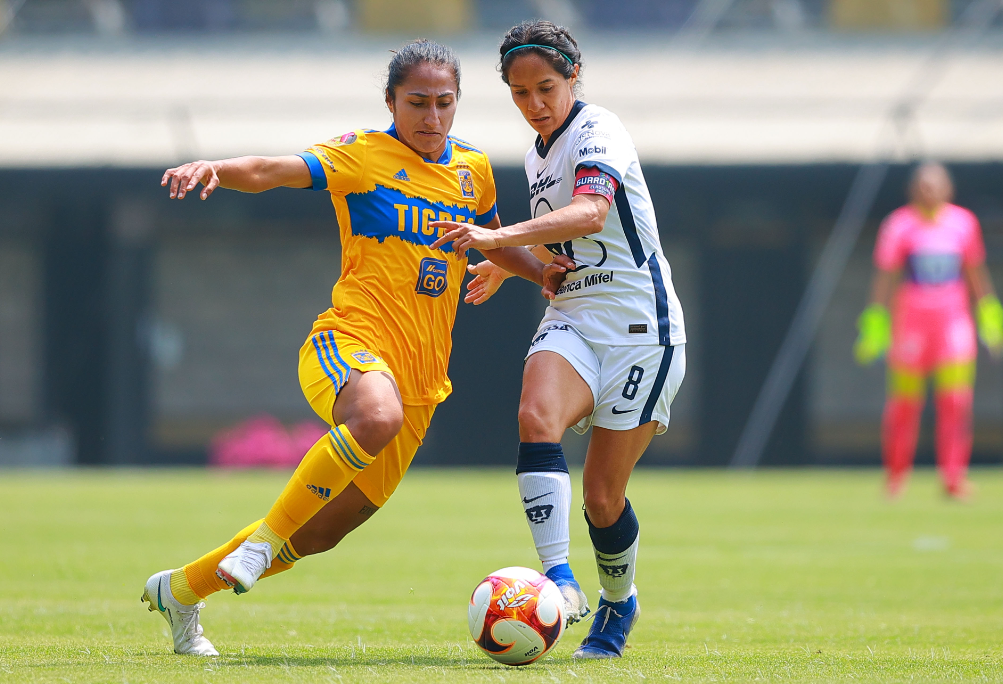
When people talk about Latin American football, they often reach for clichés about passion, noise, and chaos in the stands. But for viewers who sit through full World Cup matches, that “passion” has a clear tactical and technical expression on the pitch. It shapes pressing behaviour, risk‑taking, and game‑state management in ways that become obvious only when you follow entire games rather than just highlight clips.
How Emotion Turns Into Tactical Aggression
For many Latin American national teams, emotional intensity is not just an atmosphere around the match; it becomes a trigger for how they approach the ball. High crowd energy and a strong sense of national identity encourage aggressive pressing, especially in the opening phases and after moments that feel like injustice—hard fouls, marginal decisions, or near‑misses in front of goal. The cause is a feedback loop between stands and pitch, where players feel compelled to show dominance without the ball as much as with it.
On the pitch, this often looks like forwards initiating presses on cues that are as emotional as they are tactical: a crowd roar after a turnover, or a teammate’s sliding challenge that raises noise levels. For viewers, this means that pressing waves can arrive in bursts rather than at a constant tempo. Watching full matches lets you see how those bursts can suffocate opponents for five‑ or ten‑minute spells, but also how they can leave space if the block is not perfectly synchronised.
Why Live Viewing Changes How You See “Passion”
Highlights tend to show Latin American passion only at the extremes: goal celebrations, confrontations, and last‑minute tackles. Over ninety minutes, the same emotional current is visible in smaller choices—how quickly full‑backs step out to meet wingers, how midfielders react after losing a duel, or how the team behaves immediately after scoring. The cause‑and‑effect chain is clearer in real time: a big tackle sparks a press; a disallowed goal triggers a surge in tempo; a rough patch provokes a deliberate slowing of possession.
When you watch full games, you can track whether this energy is channelled into coherent structure or spills into over‑commitment. Some teams use the crowd roar as a cue to press as a unit, stepping the line together and closing central lanes. Others let individuals chase the ball, creating large pockets of space between lines. That difference is crucial for understanding whether passion is helping or hurting their tactical aims.
What to Look For When Latin Teams Raise the Tempo
When a Latin American side “turns it on”, it rarely happens by accident. Certain patterns tend to appear in these high‑emotion phases, and viewers can learn to recognise them as signals that the match is about to change:
- The back line creeps several metres higher, compressing space and bringing the midfield closer to second balls.
- Wide players come inside more often, crowding central zones and increasing the chance of loose balls dropping in dangerous areas.
- Full‑backs overlap more aggressively, trusting that the team will keep the ball or counter‑press quickly if possession is lost.
- Midfielders play more vertical passes—sometimes riskier—looking to feed forwards on the half‑turn.
- Pressing after losing the ball becomes more immediate, with two or three players hunting the first receiver.
The cause here is a conscious decision—often supported by the crowd—to make the game more intense and less comfortable for the opponent. The outcome, when it works, is a run of chances or at least territorial dominance. When you interpret matches through this lens, those sudden waves of pressure stop looking like pure emotion and start to read as tactical accelerations that you can anticipate and evaluate.
After such spells, the way a team stabilises is just as important. Viewers should watch whether they can drop back into a more measured rhythm or whether they stay at a frantic pace that increases the risk of transitions against them.
How Passion Interacts With Tactical Identity
Latin America is not a single tactical school, but there are recurring themes: a preference for players who can solve pressure with the ball, a willingness to accept some risk in build‑up, and a belief that technical superiority can tilt big matches. Passion amplifies these tendencies. The cause is cultural: fans and federations often demand not just winning, but winning with a clear sense of style, which influences selection and system choices.
On the pitch, this means that even under pressure, many teams will keep trying to play through the thirds rather than defaulting to long, safety‑first clearances. When you watch them live, focus on how centre‑backs and deep midfielders behave after conceding or under a high press. Do they still receive on the half‑turn and look for line‑breaking passes, or do they retreat into aimless long balls? Teams that maintain their technical and positional principles under emotional stress are the ones whose passion translates into sustained control rather than sporadic surges.
Why Watching Multiple Matches Reveals the Real Pattern
To appreciate how Latin American passion shapes entire tournaments, you need to follow more than one match per team. Across a World Cup, repeated exposures to different game states—leading, trailing, needing a draw—show how emotion affects tactical decision‑making. The cause is that reputation and pressure build with each game: an early win can create a sense of destiny; a contentious draw can deepen the “us against the world” feeling.
Over several matches, viewers should track patterns such as how lines move when protecting a narrow lead, how often teams switch from high press to mid‑block, and whether late substitutions favour more defensive stability or extra attacking chaos. The cumulative picture tells you whether a side is learning to manage its own emotional rhythms or being dragged along by them. By the time the knockouts arrive, those tendencies often decide whether passion becomes a weapon or a weakness.
How Passion Shows Up in Player Decision-Making
Individual choices are the micro‑level where passion is easiest to see. Latin American players often operate with a high tolerance for risk: attempting tight dribbles in the middle third, trying ambitious through‑balls, or pressing out of line to win back possession with a single tackle. The cause is a blend of upbringing—street football, small‑sided games, an emphasis on improvisation—and the expectations of fans who value bravery on the ball.
From a viewing perspective, this means you should watch not only whether these actions succeed, but when they are chosen. A forward dribbling past two defenders in the 20th minute of a group game is one thing; attempting the same move in extra time of a knockout can either win the match or open the door for a decisive counter. Tracking where and when players lean into those instincts helps you understand whether the team has a mature grip on game state, or whether emotion is pushing individuals into unnecessary risks.
Comparing Latin Passion With Other Regional Styles
Putting Latin American teams side by side with sides from other regions makes the specific role of passion easier to see. While there is huge variety within every confederation, you can think of a few broad contrasts in how emotion meets tactics:
| Region / Profile | Typical Emotional Expression | Tactical Translation on the Pitch | What to Watch Live |
| Latin America | Outward, intense, continuous | Aggressive pressing, risk‑friendly possession | Waves of tempo changes; high‑risk, high‑reward plays |
| Western Europe | Controlled, channelled into structure | Positional discipline, controlled pressing | Stable block, patient chance creation |
| Some Asian & CONCACAF sides | Collective, compact, disciplined | Cohesive blocks, planned transitions | Less chaos, more rehearsed patterns |
For viewers, the key is not to rank these styles but to understand their trade‑offs. Latin teams often accept more volatility in exchange for the possibility of tilting the emotional balance of a match. Recognising when they deliberately step into that volatility—and when they manage to step back out—is central to reading their performances fairly.
Summary
Latin American passion in ลิงค์ดูบอล goaldaddy is not just noise and colour around the pitch; it is a force that shapes pressing, risk‑taking, build‑up choices, and late‑game behaviour. When you watch full matches, you can see how emotion and tactics intertwine: crowd surges trigger pressing waves, cultural demands for expressive play sustain technical risk, and the ability—or inability—to modulate intensity often decides knockout ties. Understanding those patterns turns what looks like pure chaos into a recognisable, analysable form of football identity.
