

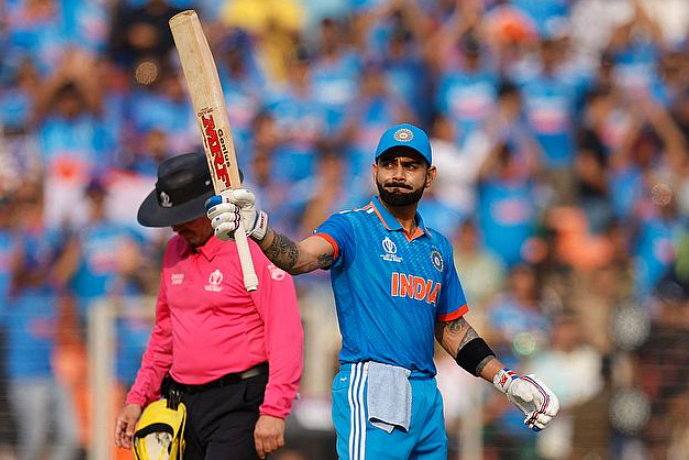
Predicting the outcome of a cricket match is part science, part art, and part accepting that the sport will occasionally make a mockery of your analysis. Still, certain factors consistently shape results more than others, and understanding them turns a guess into an informed read on the game. Here’s what actually matters when you’re trying to predict how a match will unfold.
Pitch Conditions
If there’s one variable that influences cricket more than any other, it’s the pitch. Unlike most sports, cricket is played on a surface that changes character over the course of a match — and sometimes dramatically from one day to the next.
A dry, cracked pitch favors spinners and tends to deteriorate as the match progresses, making batting harder in the second innings of a Test or the back half of a limited-overs game. A green, grassy surface helps fast bowlers extract movement and bounce early on. Flat, batting-friendly pitches — common in many T20 leagues — produce high-scoring contests where bowlers need genuine skill to make an impact.
Before backing a prediction, check recent matches at the same venue. Historical scoring patterns at a ground often tell you more than current team form. If you’re looking for another solid platform to track cricket markets, 888starz offers competitive odds and broad coverage across international and domestic cricket fixtures.
Weather and Toss
Weather affects cricket more directly than most sports because it changes how the ball behaves. Overcast conditions help seam bowling, as the ball moves more in humid air. Dew in evening matches — particularly common in day-night fixtures across the subcontinent — makes the ball slippery and harder to grip, which is why teams winning the toss often choose to bat first under lights.
The toss itself matters enormously in formats where pitch deterioration is a factor. In Test cricket, winning the toss and batting first on a pitch expected to break up later is a significant advantage. In T20s, the impact is smaller but still relevant, particularly regarding dew and chasing.
Team Form and Head-to-Head Record
Recent form is the most obvious factor, but it needs context. A team’s last five results matter less if three of them came against weak opposition. Look at form against comparable-quality teams, and weigh recent matches more heavily than results from months earlier.
Head-to-head history between two sides carries genuine weight in cricket, more so than in many sports, because certain team compositions consistently struggle against specific bowling or batting styles. A team that struggles against high-quality spin will likely face the same issue regardless of which spin-heavy side they’re facing.
Player Availability and Form
Cricket is a team sport with an unusually high dependence on individual performance. The absence of a single frontline bowler or a key batter can shift a team’s entire balance. Always check the latest team news before finalizing a prediction — injuries, rest rotations, and last-minute changes happen frequently, especially in busy international and league schedules.
Individual form matters beyond simple availability. A bowler who has taken wickets in their last several outings carries momentum that’s measurable and real. The same applies to batters in good touch — form in cricket tends to be self-reinforcing, at least in the short term.
Squad Balance and Conditions Fit
Beyond individual quality, how a squad is built relative to the specific match conditions matters significantly. A side packed with quality spinners traveling to play on a fast, bouncy pitch may struggle regardless of overall squad strength. Teams that adapt their playing XI intelligently to suit conditions — rather than picking their “best” eleven regardless of context — tend to outperform expectations.
This is particularly visible in T20 cricket, where the margin for error is small and a mismatch between bowling attack and pitch type can decide a match before it even begins.
Format-Specific Considerations
Predictions need to account for format differences. Test matches reward patience, depth in batting line-ups, and bowling attacks capable of taking 20 wickets across five days. One-day internationals balance aggression with conservation of wickets in the middle overs. T20 cricket rewards explosive hitting, death-over bowling specialists, and fielding standards — areas where modern analytics increasingly separate strong sides from average ones.
Treating all formats with the same predictive framework is one of the most common mistakes casual analysts make. A team excellent in Test cricket might be mediocre in T20s, and vice versa, because the skills required genuinely differ.
Putting It Together
No single factor determines a cricket match’s outcome — it’s the interaction between pitch, weather, form, personnel, and format that shapes a realistic prediction. The teams and analysts who get this right consistently aren’t relying on gut feeling; they’re weighing these variables systematically and adjusting as new information arrives, right up until the toss.
Cricket remains a sport capable of producing genuine upsets regardless of how thorough the analysis is — and that unpredictability is, for many fans, exactly the appeal.
