


Vitamin D3 is one of the most popular supplements in the world. Supports your immune system, muscles and bones. However, there are a lot of options available on the shelves. Should you pick 1,000 IU or 5,000 IU? Which is the most effective: a soft gel or a liquid?
It’s a guide to look at when selecting the best vitamin D supplement for you. You will learn the role of vitamin D3, who needs it, how to choose the right amount and form of vitamin D3, and how to use vitamin D3 safely.
What Is Vitamin D3?
When the skin is exposed to sunlight, it produces vitamin D3 or cholecalciferol. It is usually better than vitamin D2 at raising and keeping your vitamin D level steady.
Vitamin D3 is beneficial for the body because it allows it to:

- Take in calcium and phosphorus
- Maintain healthy teeth and bones.
- Support healthy muscles
- Boost immunity.Boost immunity.
- Maintain good nerve function
This is why physicians may recommend taking a vitamin D supplement if a blood test indicates low vitamin D.
Why Some People Need Supplements
Sunlight is a good source of vitamin D, but many people don’t get enough of it. Common reasons include:
- Very little exposure to sunlight.
- Spending a lot of time indoors.
- Wearing sunscreen often
- Getting older
- Having darker skin
- Pregnancy and breastfeeding
Gastrointestinal or intestinal problems affecting nutrient absorption.
If this is the case, a supplement might be able to maintain your level within a healthy range.
Read also: Wutawhealth the Tricks: Simple Wellness Hacks for Nutrition, Fitness and Better Living
How to Choose the Right Supplement
Selecting a solid vitamin D3 supplement isn’t solely about choosing a brand either. Consider 3 points.
1. Dose
Always check your blood test results and follow your doctor’s recommendations. Common strengths are 1,000, 2,000, 5,000, and 10,000 IU. An increase in dosage does not necessarily lead to an improvement. The amount is dependent on personal requirements.
2. Form
Vitamin D3 is available in softgels, capsules, liquid drops, liquid solution and as an oral spray. If tablets are difficult to swallow, drops might be more appropriate.
3. Brand
Look for a reputable maker. Check the labels and quality, so you can know what you are getting into and how strong.
Comparing Common Strengths
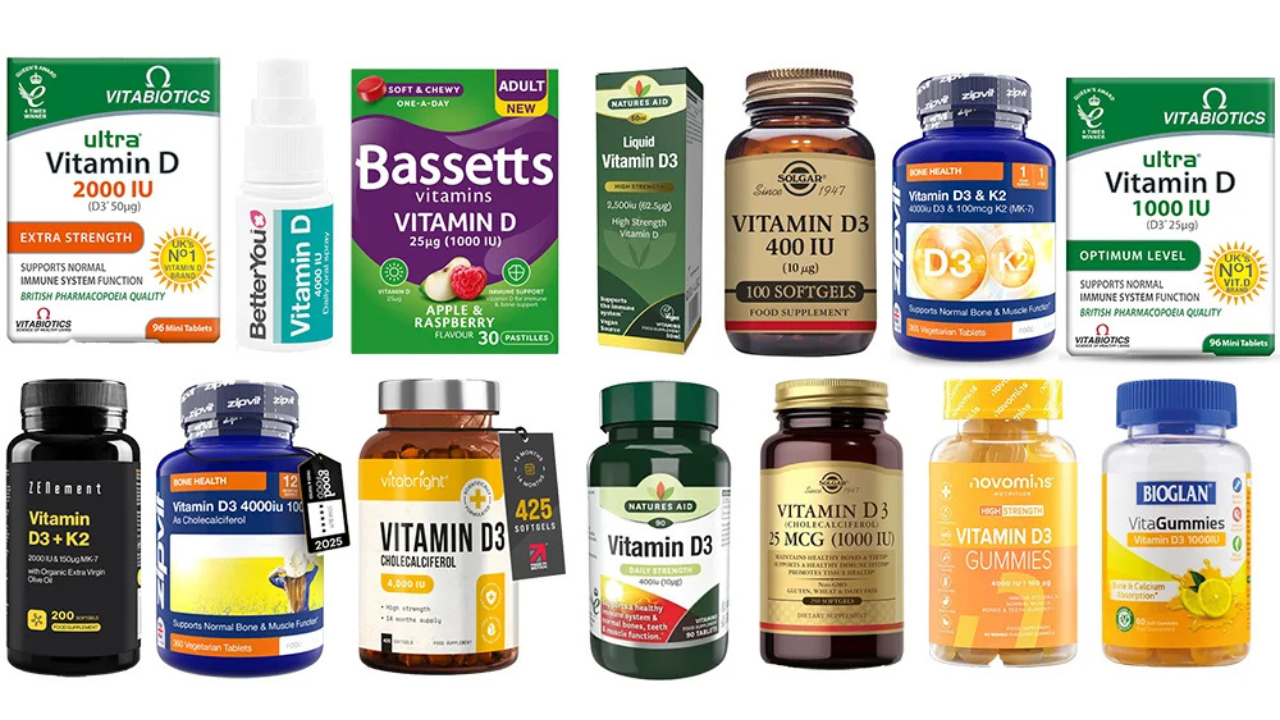
1,000 IU
For many adults, it’s a good option for maintaining a healthy level of vitamin D. It is appropriate for normal individuals and for everyday use.
2,000 IU
This provides additional support each day. May work well for individuals who do not receive a lot of sunlight.
5,000 IU
This higher strength is often recommended by a doctor and for those who are vitamin D deficient. It’s typically intended for brief treatment, which happens to be under a doctor’s supervision.
10,000 IU
For those who are very deficient or prescribed by a doctor, a very strong dose is kept. Don’t use it on a regular basis without medical advice.
Liquid Vitamin D3 vs. Capsules
Not everything in liquid form is good. Liquid and capsules are more or less equally effective when the dosage is the same. Liquid is useful for kids, the elderly, and individuals that struggle with taking pills. Can also be added to food or beverage. The softgels are still an easy, convenient option for regular use.
Best Time to Take Vitamin D3

Vitamin D3 is fat-soluble, so your body takes it in better with a meal that has healthy fat. Some good options are olive oil, avocado, nuts and fatty fish. There is no best hour. The most important thing is to have it at the same time every day.
Can You Take It Every Day?
Many people can use it every day and it won’t cause any problems as long as they use the right dose. Higher doses should only be taken on a doctor’s advice. If vitamin D3 is to be used over a prolonged period, have regular blood tests to monitor level.
Quick Tips for Choosing
- Depending on a blood test, select your dose.
- Purchasing from a trusted brand.
- Follow the dose instructions on the label or as directed by your doctor.
- Consume with food to aid absorption.
- Do not take in large doses unless directed by a doctor.
- If you use it over a long period of time, check your level now and then.
Final Word
The vitamin D supplement that suits your body and your blood test results and your doctor’s recommendations is the best vitamin D supplement. Increased strength does not necessarily mean better. Choose a good product, take the correct amount, have a well balanced diet and get some sunlight if possible to help build healthy bones and a good immune system.
FAQs
1.Which vitamin D3 strength is right for most adults?
1,000 IU is a standard dose for many adults to take every day for maintenance. Those who do not get much sun might consider 2000 IU.
2.What’s the recommended daily amount of vitamin D3?
It depends on your age, your health and your current vitamin D level. Check your blood to see where you’re at. Your doctor will then be able to recommend a safe dose for your day to day life.
3.Is Vitamin D3 more effective than Vitamin D2?
In general, yes. Vitamin D3 generally works better to increase and maintain vitamin D levels. Suntans are also the type of skin tone you create with sunlight.
4.Is there a risk of overdosing on vitamin D?
Yes. High doses for prolonged periods may increase the amount of calcium in the blood to unsafe levels. It will lead to vomiting, fatigue, and kidney dysfunction.
Read more: How to Brew Moringa Tea: Health Benefits, Tips, and Side Effects
