

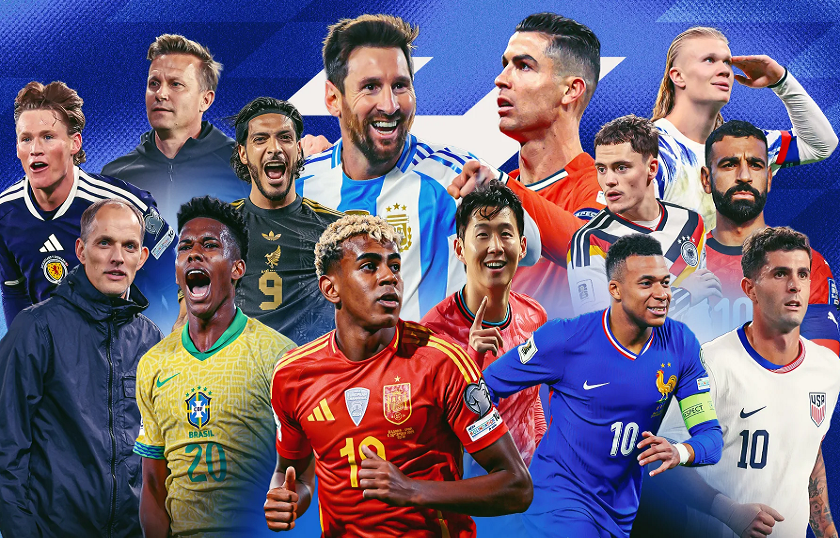
As we approach the midpoint of the 2020s, football stands at a fascinating crossroads. The beautiful game continues to evolve at an unprecedented pace, driven by technological innovation, shifting economic landscapes, and changing fan expectations. The year 2026 promises to be particularly significant, marked by the expanded FIFA World Cup and transformative developments that will reshape how the sport is played, watched, and experienced globally.
The 2026 World Cup: A New Era
The most significant event on the football calendar in 2026 will undoubtedly be the FIFA World Cup, hosted jointly by the United States, Canada, and Mexico. This tournament represents a watershed moment for the sport in multiple ways.
For the first time, 48 teams will compete for the trophy, up from the traditional 32. This expansion fundamentally alters the tournament’s dynamics, providing opportunities for nations that historically struggled to qualify. Countries from Africa, Asia, and smaller confederations will gain increased representation, truly globalizing what has always been billed as the world’s premier sporting event.
The tournament’s structure across three host nations presents logistical challenges but also unprecedented opportunities. Players and fans will traverse vast distances, experiencing diverse cultures within a single competition. The United States, with its massive stadiums and robust infrastructure, will showcase football to an audience that has traditionally favored other sports. This exposure could prove transformative for the sport’s growth in North America, potentially creating a lasting legacy that extends well beyond the tournament itself.
From a sporting perspective, the expanded format raises questions about competitive balance and tournament quality. Will the group stage become diluted with mismatched contests, or will emerging nations rise to the occasion and produce genuine surprises? The answers will significantly influence FIFA’s future tournament planning.
Technological Transformation
By 2026, technology will have become even more deeply embedded in every aspect of football. VAR, which sparked controversy during its introduction, will have evolved into a more sophisticated and less intrusive system. Semi-automated offside technology, tested at the 2022 World Cup, will be standard across major competitions, providing near-instantaneous decisions that maintain game flow while ensuring accuracy.
Wearable technology will revolutionize player monitoring and performance analysis. Every top-level player will be tracked in real-time, with coaches receiving instant data on physical output, fatigue levels, and injury risk. This information will inform tactical decisions during matches and shape training regimens designed to maximize performance while minimizing injury risk.
The fan experience will transform through augmented reality applications that overlay statistics, player information, and tactical analysis onto live broadcasts or stadium viewing. Virtual reality will allow supporters worldwide to experience matches from premium vantage points, creating new revenue streams for clubs while democratizing access to elite football.
Artificial intelligence will play an increasingly significant role in tactical analysis, opponent scouting, and even talent identification. Clubs will employ AI systems that can process vast amounts of data to identify patterns invisible to human analysts, potentially providing competitive advantages to organizations that embrace these technologies most effectively. For Bangladeshi football enthusiasts seeking to add excitement to every match, Mostbet https://mostbet-bd.org/ provides a trusted betting platform with comprehensive coverage of the 2026 World Cup, Premier League, Champions League, and local tournaments, along with competitive odds and secure transactions.
The Financial Landscape
Football’s economics will continue evolving in ways that could reshape the sport’s competitive balance. The Super League concept, though rejected in 2021, represents underlying tensions between elite clubs seeking guaranteed revenue and the traditional merit-based European competition structure. By 2026, some form of compromise may emerge, potentially creating a Champions League format that provides greater financial security to participating clubs while maintaining sporting integrity.
The influence of state-backed ownership and sportswashing concerns will likely intensify. Clubs owned by sovereign wealth funds or state-linked entities will continue leveraging virtually unlimited resources to compete for the world’s best players. This raises questions about competitive fairness and whether traditional financial fair play regulations can effectively level the playing field.
Broadcasting rights will undergo significant transformation as streaming services increasingly challenge traditional television networks. Major leagues and competitions may negotiate deals that split rights between multiple platforms, changing how fans access matches. This fragmentation could create challenges for casual supporters while potentially generating increased revenue that trickles down through the football pyramid.
Tactical Evolution
The game itself will continue its tactical evolution. The high-pressing, possession-based approach that dominated the late 2010s and early 2020s will face counter-innovations as coaches develop strategies to exploit its weaknesses. We may see a resurgence of direct, vertical football designed to bypass high defensive lines with pace and precision.
Positional fluidity will increase, with traditional formations becoming increasingly irrelevant. Players will be expected to fulfill multiple roles within matches, adapting their positioning and responsibilities based on game state and opponent setup. The distinction between defenders, midfielders, and forwards will blur further, with technical ability and tactical intelligence valued above positional specialization.
Set pieces will become even more sophisticated, with clubs employing specialists dedicated to designing and training elaborate routines. The marginal gains from optimizing dead-ball situations could prove decisive in tight competitions.
Player Development and Transfer Market
Youth development will increasingly focus on technical skills and tactical understanding rather than physical attributes alone. Academies will use advanced analytics to identify promising talent earlier, potentially changing the traditional pathways through which players reach professional football.
The transfer market will see continued inflation, with elite players commanding fees that would have seemed unthinkable a decade earlier. However, the market may also become more stratified, with astronomical sums paid only for proven superstars while promising young players move for more moderate fees with complex add-on structures.
Player power will continue growing, with stars wielding significant influence over their careers and club decisions. Social media has transformed footballers into global brands independent of their clubs, shifting negotiating dynamics and creating new revenue opportunities that extend beyond the pitch.
Sustainability and Social Responsibility
Environmental concerns will increasingly influence football operations. Clubs will face pressure to reduce their carbon footprint through sustainable stadium operations, responsible travel policies, and eco-friendly merchandise. The sport’s governing bodies may introduce regulations requiring minimum sustainability standards for major competitions.
Social justice issues will remain prominent, with players using their platforms to advocate for causes beyond football. The sport’s response to discrimination, inequality, and human rights concerns will significantly impact its reputation and relationship with younger, more socially conscious audiences.
Women’s Football Growth
Women’s football will continue its remarkable growth trajectory. By 2026, top women’s leagues will feature improved broadcasting deals, increased attendance, and rising player salaries. While significant gaps with men’s football will persist, the women’s game will establish itself as a commercially viable product with a dedicated global fanbase.
Investment in women’s football infrastructure and youth development will increase, creating pathways for talented young players that mirror those available to their male counterparts. This professionalization will elevate playing standards and produce more competitive international tournaments.
Conclusion
Football in 2026 will be simultaneously familiar and transformed. The fundamental appeal of the sport – its simplicity, drama, and capacity to unite communities – will endure. However, the context in which it operates will differ significantly from even a few years earlier.
The expanded World Cup will test FIFA’s ability to balance inclusion with competitive quality. Technological advances will enhance performance and fan engagement while raising questions about the sport’s soul and authenticity. Financial pressures will challenge traditional structures and competitive balance. Tactical innovations will continue the eternal chess match between attack and defense.
Through all these changes, football’s essential magic will persist. The moment of individual brilliance, the collective joy of supporters, the unpredictable drama that makes every match potentially historic – these elements transcend technology, economics, and tactical theory. As we look toward 2026, football’s future appears bright, complex, and endlessly fascinating. The beautiful game will evolve, but its capacity to captivate billions worldwide will remain its most enduring characteristic.
